What is junk silver?
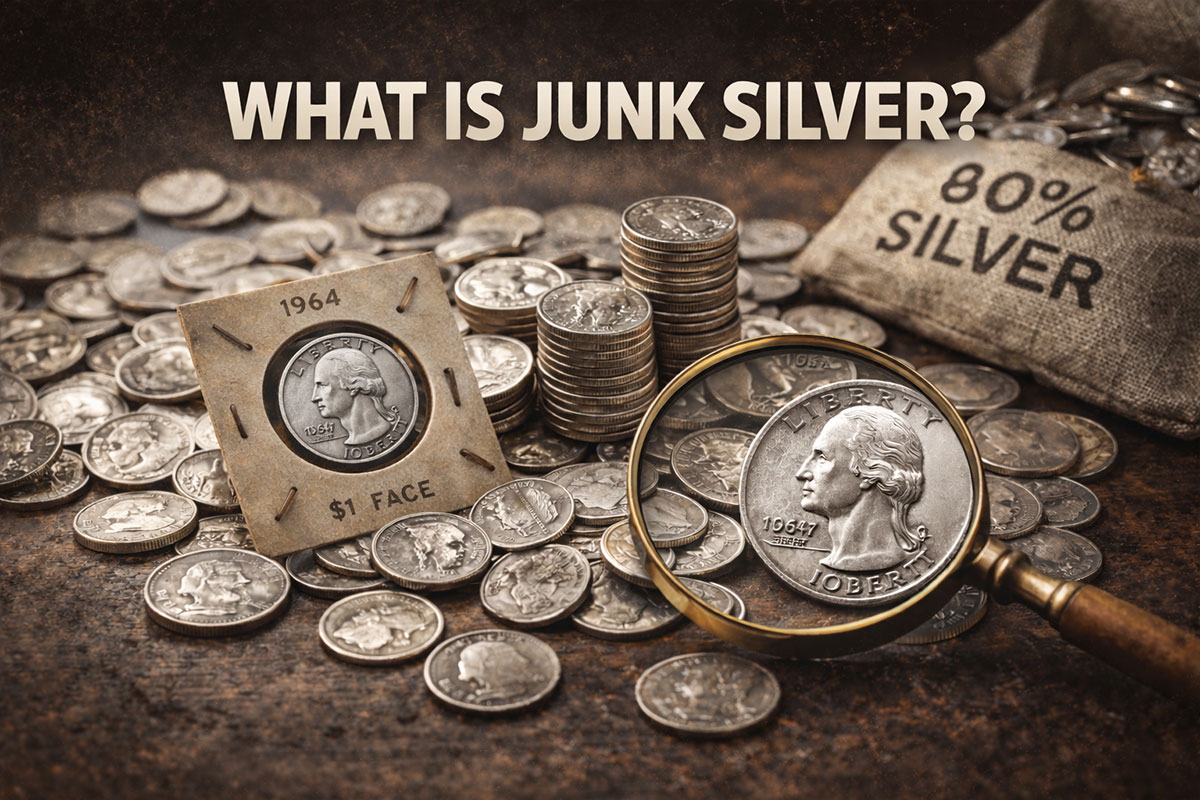
Junk silver refers to a type of silver that are circulated coins containing silver but have no collectible or numismatic value. These coins are valued primarily for their silver content, not their rarity or condition.
Why is it called “junk” silver?
The term junk silver does not mean the silver itself is low quality. It simply means the coins are not considered collectibles. Their value comes from the amount of silver they contain rather than their appearance or historical significance.
Junk silver is often favored by buyers who want recognizable, fractional silver at relatively low premiums.
What coins are considered junk silver?
Junk silver typically includes U.S. coins minted before 1965, when circulating coinage still contained silver.
Common examples include:
- Pre-1965 dimes
- Pre-1965 quarters
- Pre-1965 half dollars
These coins generally contain 90% silver, with the remaining 10% made up of copper.
Other countries also issued circulating silver coins historically, but U.S. pre-1965 coins are the most widely recognized form of junk silver.
How much silver is in junk silver coins?
Junk silver is often valued by face value, not by individual coin weight.
As a general reference:
- $1.00 face value of 90% U.S. junk silver contains approximately 0.715 troy ounces (oz) of pure silver
- Some coins have just 80% U.S. or Canadian junk silver (those from 1935-1967) contain about 18.67 grams 0.6 troy ounces (oz) of pure silver
This makes junk silver easy to buy, sell, and divide into smaller amounts.
Why do people buy junk silver?
Junk silver offers several practical advantages:
- Fractional silver in small, usable denominations
- Widely recognized and trusted
- Often lower premiums than bullion coins
- No reliance on collectible value
Because junk silver is already circulated, condition is less important, which keeps pricing focused on silver content.
Junk silver vs silver bars and rounds
Junk silver differs from modern bullion products in a few key ways:
- Junk silver is older, circulated coinage
- Bars and rounds are newly minted bullion
- Junk silver is valued by face value and silver content
- Bars and rounds are valued strictly by weight
Many buyers choose to hold both junk silver and bullion to diversify how their silver is held and used.
Is junk silver a good option for beginners?
Junk silver is often considered beginner-friendly because:
- It is easy to recognize
- It comes in small denominations
- It has historically been trusted as money
However, buyers should still ensure authenticity and proper sourcing, as counterfeit or altered coins can exist.
Where can you buy junk silver safely?
Junk silver should be purchased from trusted sources that understand silver content and verify authenticity.
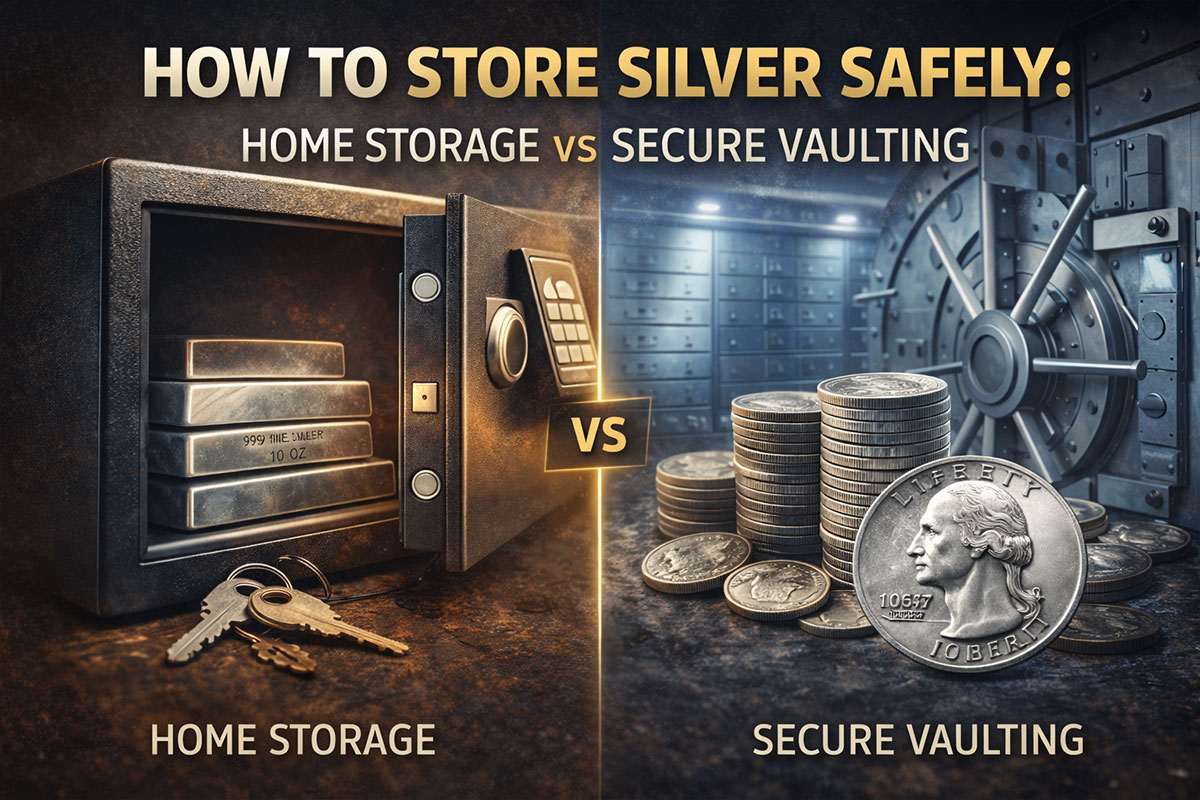
TheSilverBroker helps clients safely acquire verified and tested silver, including junk silver, ensuring buyers receive genuine silver content. Secure storage solutions are also available for those who prefer professional vaulting over home storage.
How should junk silver be stored?
Junk silver can be stored similarly to other physical silver:
- At home with proper security
- In professional vaulting for larger holdings
Because junk silver is often held in larger quantities by face value, organization and secure storage are important.
Why junk silver still matters today
Junk silver represents a tangible link between silver’s historical use as money and its modern role as a store of value. It offers recognizable, divisible silver that is not dependent on modern minting or financial systems.
For many buyers, junk silver complements bars, rounds, and coins as part of a diversified physical silver strategy.
Quick Summary: What Is Junk Silver?
- Junk silver refers to circulated silver coins
- Most U.S. junk silver is pre-1965 and 90% silver
- Most Canadian junk silver is pre-1967 and 80% silver
- Valued by silver content, not collectibility
- Offers fractional, recognizable silver
- Often used alongside bullion products
Disclaimer
This content is provided for informational purposes only and does not constitute financial or investment advice. TheSilverBroker.com is not a financial advisory service, and nothing on this website should be interpreted as a recommendation to buy or sell any asset. Always consult with a qualified financial professional before making investment decisions.